
Know Exactly Where To Search For Gold In The Murchison And Yalgoo
200+ maps, real historical gold-find records, and graticular-block-level detail, so you stop wasting trips on dead ground.
By Bill O'Connor. 25 years finding gold in WA. 750+ prospectors trained through 66 seminars in Cue. Life Member, Amalgamated Prospectors and Leaseholders Association.
You drive out to the Murchison. You swing all day. Nothing but junk and dirt.
You get home, look at the map you used, and realize you had no real reason to be standing where you were.
That's not bad luck. That's searching without knowing where the gold actually is. It doesn't have to be like that.
Dead Ground Is The Real Cost
You already know how to run a detector. That's not the problem.
The problem is what happens before you even leave home:
- You're working off a regional map that circles a whole district, not the ground that's actually produced gold.
- You're relying on forum posts and word of mouth that might be years old, or wrong.
- You're guessing at the geology, hoping the ground "looks right."
- You've burned a full tank of fuel and a weekend on a spot that's never turned up a nugget.
- You're spending more time researching where to go than actually detecting once you're there.
None of that is a skill problem. It's a maps problem. And it's fixable.
Stop Guessing. Start Targeting Real Ground.
Most gold maps for WA are useless for actually finding gold. Not because they're wrong. Because they're too general. A whole district circled, not the block that's actually produced gold before.
The Murchison Gold Atlas works differently. It's built at graticular-block level: real historical gold-find records (including the original 1954 "Goldmines Which Have Produced Gold" data), the geology of why gold sits where it does, and mudmaps that get you there without the guesswork.
This isn't rehashed internet advice. It's built from the field and archival work of someone who's actually done this: 25 years finding gold in WA, tenements owned and managed in Cue and Sandstone, and 750+ prospectors trained face to face.
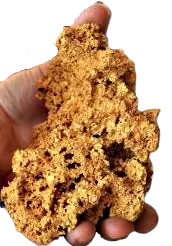
What's Inside
359 pages. Built as a glovebox companion, not a coffee-table book.
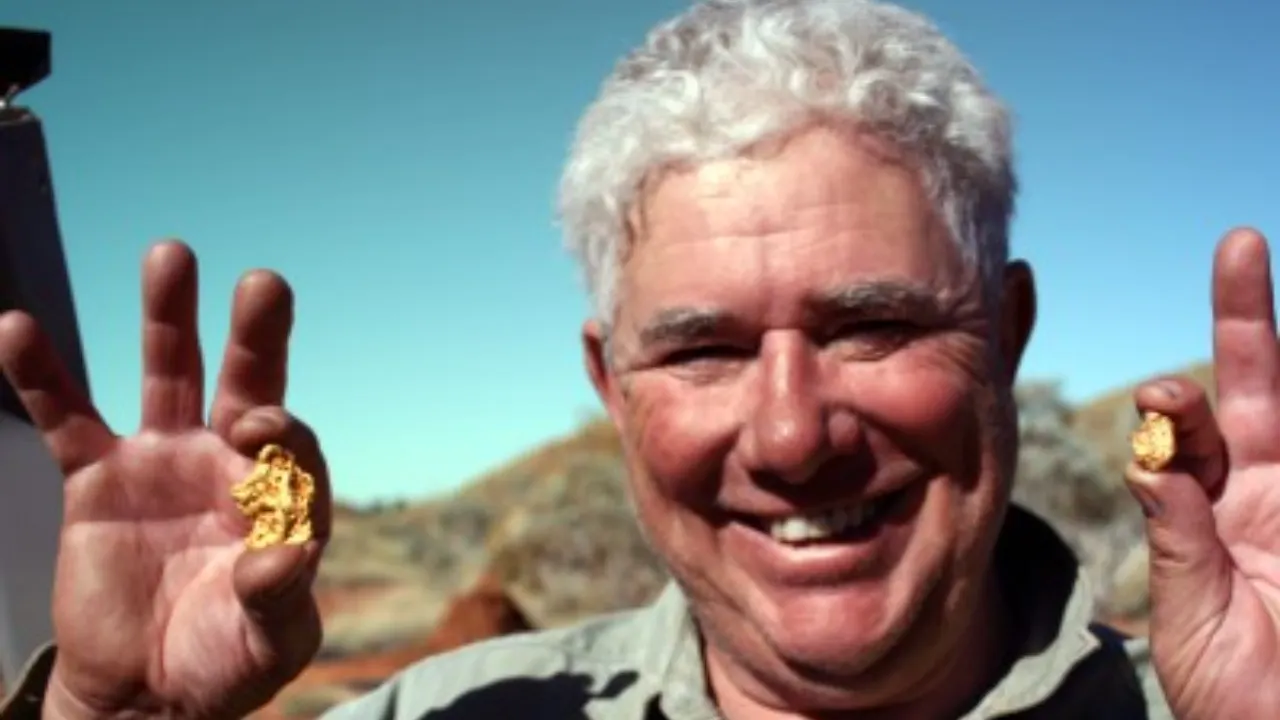
About The Author
Bill O'Connor has been finding gold in Western Australia since 2005. He's Managing Director of SLS Exploration Pty Ltd and Director of Goldtracker Pty Ltd. He's taught gold prospecting since 2012, training over 750 people through 66 seminars in Cue. He's a Life Member of the Amalgamated Prospectors and Leaseholders Association (APLA), where he's served as both Secretary and Treasurer. He's owned and managed his own mining tenements in Cue and Sandstone.
This book just published on 31 July 2026, so there's no review history yet, and we'd rather say that plainly than dodge it. What isn't new is the person who wrote it, or the records it's built from.
Before You Ask
Free maps and forums are general and regional. This book works at graticular-block level, with real historical gold-find records, mudmaps to get you there, and the geology of why gold sits where it does.
Fair question, and true. What's not new is the person who wrote it. Bill's been finding gold in WA since 2005, taught prospecting since 2012, trained 750+ people, and owned his own tenements in Cue and Sandstone.
No book guarantees a find, and we won't pretend otherwise. What it removes isn't the chance of finding gold, it's the chance of searching the wrong ground.
The book includes a summary of the detectors best suited to finding nuggets in WA's more accessible ground, so gear fit is answered inside the book, not left as a guess.
The atlas covers whole mining centres and graticular blocks, not exact GPS pins to a single nugget. There's still real ground to cover and real detecting skill involved.
What You're Getting
- 359-page glovebox guide to the Murchison and Yalgoo goldfields
- 200+ maps and geological diagrams
- Mudmaps for every covered mining centre
- QR-linked access to KML files and 1954 historical gold-production records
- Detector recommendations
- WA prospecting rules and regulations summary
Ships from Amazon. Eligible for Amazon's standard change-of-mind return within 30 days of receipt.
Get it on AmazonCompare that to the cost of one more wasted weekend out. Fuel, time, and coming home with nothing. This book is built to make sure fewer of those trips happen.
Ready To Stop Guessing?
You already do the work of getting out there. This just makes sure the ground you're standing on is worth it.
Ships and sells through Amazon. Paperback orders are eligible for Amazon's standard 30-day change-of-mind return.
Get an email when Bill publishes new WA gold location guides. No spam, unsubscribe any time.
Frequently Asked Questions
No, and we won't tell you it does. It guarantees you're searching ground with a real, documented gold history, instead of guessing. What you do with a detector once you're there is still up to you.
Paperback is the glovebox companion built for the field, with QR-linked digital extras. Kindle is the cheaper, instant-access option for reading before a trip. The content is the same either way.
The Day Dawn, Mt Magnet, Yalgoo and Cue mining districts, covering the mining centres within each.
No. They open in Google Earth, which is free.
The book includes a summary of WA's prospecting rules and regulations. You're still responsible for holding the correct Miner's Right and following current WA Department of Mines requirements.
The book is aimed at people who already know the basics of running a detector and want to stop guessing where to point it. If you're brand new to detecting itself, get comfortable with your gear first, then use this to know where to take it.
This isn't a replacement for a general map. It's what you use once you already know the district you're headed to, and want the specific block, geology, and history behind it.
The paperback is eligible for Amazon's standard change-of-mind return within 30 days of receipt. Kindle purchases follow Amazon's own digital content policy.
Already working the Murchison and Yalgoo? If you want ongoing access as new districts get added, take a look at the Metal Detecting WA membership, $67 a year.